


REMODEL LIKE A DESIGNER
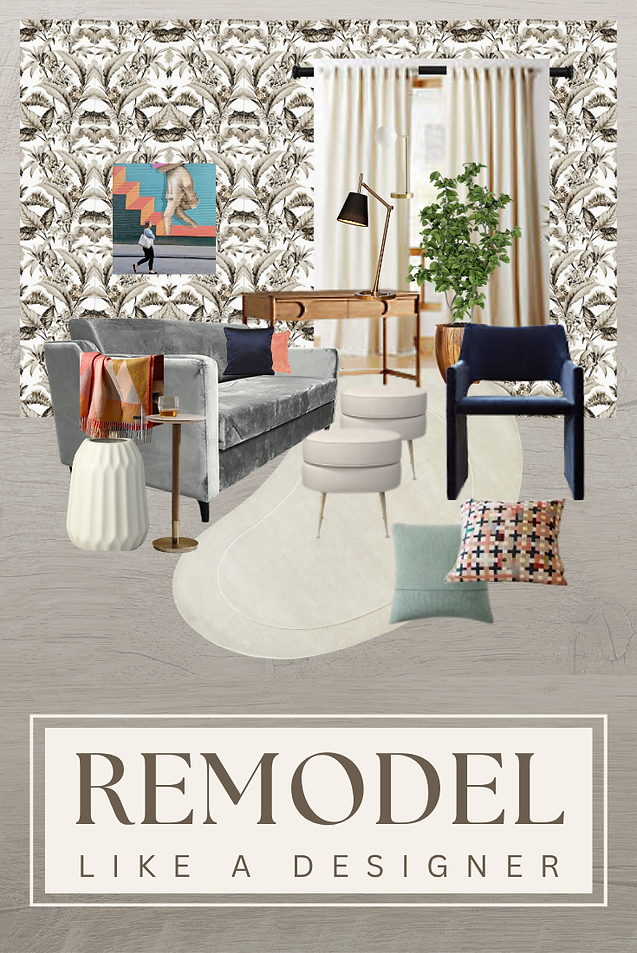
The most extraordinary homes are created through trust. Working with a designer isn't about handing over control. It's about partnering with someone who can see possibilities you may not, solve challenges before they arise, and transform your ideas into spaces that are both beautiful and deeply functional. While you understand your lifestyle needs, a designer understands how to shape that lifestyle into an environment that feels effortless every day.
The difference between DIY and designer lies in the details. Beyond following trends or copying what’s seen online, great design is about thoughtful planning. A designer home isn’t defined by excess—it’s defined by meaning. When every decision is made with intention, the result isn't just a well-designed home, it's a home that feels unmistakably yours.
Here are the principles we rely on to create homes that feel elevated, enduring, and designed to be lived in.

1. The Hidden Problems Worth Solving
Every home has friction points—spaces that quietly work against the way you live. It might be a kitchen with too little storage, rooms that feel disconnected, awkward transitions, or circulation that creates daily bottlenecks. Over time, these small frustrations become part of everyday life, often going unnoticed.
The most transformative remodels begin by identifying these underlying challenges before selecting finishes or fixtures. By improving layouts, opening sight-lines, integrating concealed storage, and creating a more intuitive flow, the entire home functions differently.
When the foundation is thoughtfully planned, every design decision that follows has greater impact. Beauty becomes a natural result of a space that simply works.
As design isn't just about what you add, it's about what you improve.

2. The Art of Layering
The most memorable interiors aren't built on perfect matches—they're curated through carefully selected materials that complement one another. Rather than repeating the same finish throughout the home, designers create richness by introducing contrast: handcrafted ceramic in the kitchen, textured stone in the bathroom, warm wood, natural metal, and timeless porcelain underfoot.
Instead of relying on one statement feature, great interiors are built in layers. Texture, scale, colour, and material work together to create balance, allowing each element to contribute without competing for attention.
This thoughtful approach creates rhythm, visual depth, and a home that feels collected over time rather than decorated all at once. The result is an interior with warmth, character, and lasting appeal.

3. Light Is What Brings Design to Life
Every colour, texture, and material is experienced through light, making it one of the most influential elements of any remodel. Yet it's often considered only after everything else has been selected.
Designers approach lighting as part of the architecture of a home, not simply as fixtures on a ceiling. Ambient lighting establishes overall comfort, task lighting supports everyday activities, and accent lighting highlights architectural features, artwork, and carefully chosen materials.
When these layers work together, rooms gain warmth, depth, and atmosphere. Finishes appear richer, textures become more pronounced, and spaces naturally shift throughout the day.
Lighting doesn't simply illuminate a home—it defines how it's experienced.

Exceptional homes are never the result of a single design decision.
They emerge when planning, materials, proportion, and lighting all work together to create spaces that feel effortless to live in.
It's a home that enriches everyday living.
Drop me a line to share what you resonate with, I love hearing from you.
If you are looking to to up level your space and don’t know where to start or what’s right for your space...
Click the button below to book a discovery call


😘Wonderful as always
Asif